Unveiling the Keys of Effective Art Book Printing Techniques for Creative Professionals
When it comes to creating an art book, every information matters. You need to believe about paper option, binding alternatives, and color precision. What are the key methods that can assure your art book stands out in a jampacked market?
Understanding the Relevance of Paper Choice
When it involves art book printing, paper choice is vital for accomplishing the wanted visual effect. The type of paper you choose can significantly influence just how shades show up, appearances really feel, and exactly how your art work resonates with visitors. You'll want to evaluate elements like weight, finish, and brightness. Larger papers can give an elegant feel, while lighter ones may improve portability.
A glossy surface can make shades pop, while a matte surface could lend a more restrained, imaginative ambiance. Additionally, do not ignore the significance of acid-free paper to assure long life and avoid yellowing with time.
Examination examples prior to finalizing your selection; this'll help you see exactly how your art interacts with various documents. Inevitably, the right paper can elevate your art book from regular to amazing, making a lasting impression on your target market.
Exploring Binding Choices for Art Books
As you submerse on your own in the globe of art book printing, checking out binding choices is essential for bringing your vision to life. The selection of binding influences not only the visual appeals but additionally the functionality of your book.
If your book consists of unique elements, like fold-outs or blended media, lay-flat binding might be your finest bet, enabling pages to open up fully without shedding content. Choose sensibly, and your binding will certainly enhance the overall effect of your art book.
Understanding Shade Precision in Print
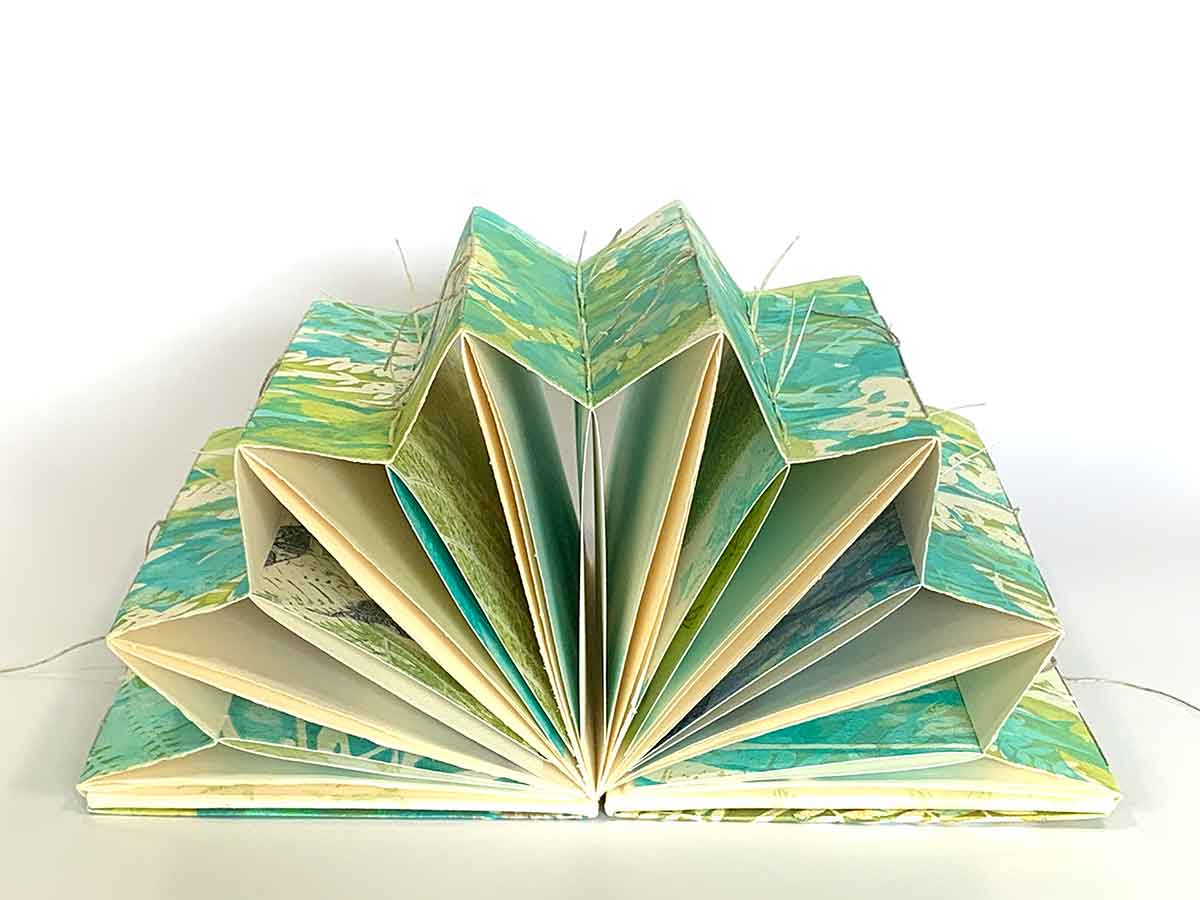
When preparing your data, convert pictures to the CMYK color mode, as this is what printers make use of. Be conscious of color rooms; Adobe RGB offers a broader range than sRGB, yet it's critical to convert to CMYK prior to publishing to stay clear of shocks.
Examination prints are important; they let you see exactly how shades translate to paper. With attention to detail, you can attain vivid, true-to-life shades in your art book.
Guaranteeing High Image Resolution for Top Quality
To assure your art book catches the sensational detail of your images, high photo resolution is essential. Go for a minimum of 300 DPI (dots per inch) for excellent top quality. This guarantees that every detail in your art work appears crisp and dynamic, enabling your viewers to appreciate the subtleties of your creative thinking.
When preparing your photos, always begin with the highest possible resolution feasible. If you're scanning art work, use a high-grade scanner and choose the appropriate settings. If you're utilizing electronic files, make certain they're saved in formats like TIFF or PNG, which preserve picture quality better than JPEGs.
Likewise, consider the final size of your images in print. A picture that looks fantastic on your screen might not convert well to print if it's too small. By focusing on high picture resolution, you'll generate an expert helpful resources art book that showcases your operate in the finest light.
The Role of Design and Layout in Art Books
While crafting an art book, the layout and design play a vital function in improving the aesthetic experience. You desire your target market to involve with your work, and a thoughtful design can direct their trip with the pages. Consider the equilibrium between message and photos; way too much text can bewilder, while insufficient might leave your message vague.
Use whitespace successfully to offer your artwork breathing space, allowing each piece to radiate. Believe regarding the flow of the pages-- exactly how each picture interacts with the following. This can produce a narrative that draws readers in and maintains them astounded.
Make sure your style straightens with the total style of your book, developing a cohesive experience. With cautious focus to layout and style, your art book can come to be a stunning visual story that resonates with your target market.
Choosing the Right Printing Method
The right printing technique can significantly influence how your art book is viewed and experienced. Digital printing is excellent for short runs, using fast turn-around look at more info times and dynamic colors that bring your art work to life.
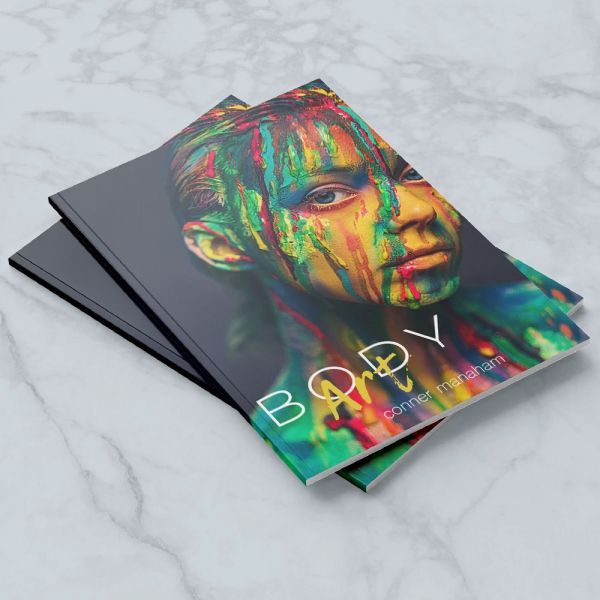
Budgeting for Art Book Production
Budgeting for art book production is crucial, and getting a clear image of your costs can save you from unanticipated prices in the future. Beginning by specifying your budget plan, taking into consideration all aspects like design, printing, and distribution. Study printing alternatives to discover one that fits your quality and quantity demands without breaking the financial institution.
Don't neglect to include costs for products, such as paper and ink, along with any kind of extra functions like embossing or specialized surfaces. Factor in design expenditures, whether you're doing it on your own or working with a professional. Also, make up advertising and marketing and promotion, as they're essential for reaching your audience.
Frequently Asked Inquiries
What Are the very best Printers for Art Book Projects?
When picking printers for your art book projects, think about top notch inkjet models like Canon or Epson. They supply vibrant shades and sharp information, ensuring your art work stands apart perfectly on every web page.
Exactly how Do I Prepare My Apply For Printing?
To prepare your documents for printing, assurance you've set the right resolution, color mode, and documents layout (art book). Don't forget to right here include hemorrhage and chop marks, so your art work publishes perfectly with no unwanted boundaries
What Is the Average Turn-around Time for Art Book Printing?
The standard turn-around time for art book printing differs, yet you can generally anticipate it to take between 2 to 4 weeks. Elements like intricacy and volume can influence this timeline, so plan accordingly.
Can I Publish Art Books in Small Amounts?
Yes, you can print art publications in tiny amounts. Many printing services supply short-run choices, allowing you to produce limited editions without high upfront expenses. This flexibility helps showcase your work while taking care of spending plan restrictions properly.
What Prevail Errors to Prevent in Art Book Printing?
When publishing art publications, prevent common errors like bad data resolution, neglecting color calibration, and ignoring to proofread. Don't take too lightly the importance of choosing the appropriate paper and binding techniques for your task.